




EDINBURGH Ingleby Gallery Given the rustic, Romantic flavor of Tomlin’s forms, and the rural Bavarian fastness where some of them were made, we might even posit a Heideggerian reading of the world-making quality of crafted objects.


“Mrinalini Mukherjee: Unbound Forms–Women Sculptors of India and Bangladesh”
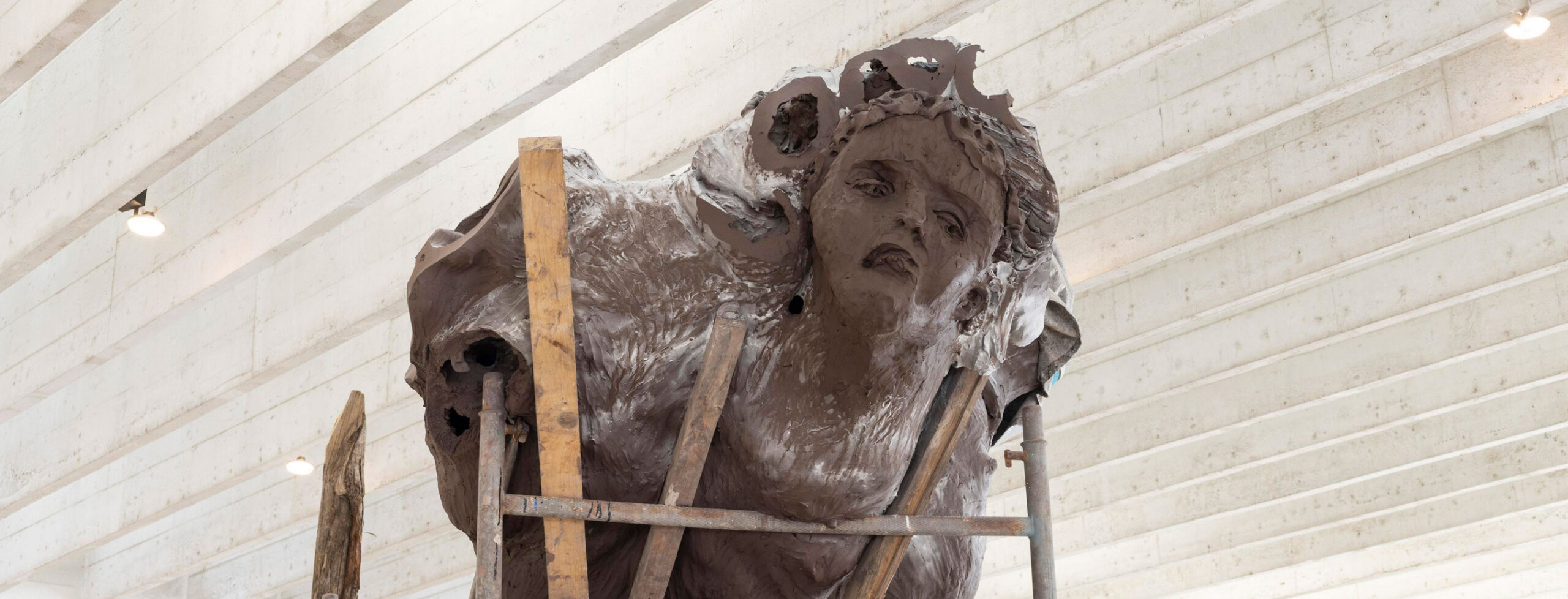
WAKEFIELD, U.K. The Hepworth Wakefield “Unbound Forms” (on view through November 1, 2026) provides a rich and exhilarating context for a major retrospective of Mrinalini Mukherjee’s work, presenting it alongside sculptures by four earlier pioneering women artists from India and Bangladesh.

The Brain Is in the Belly: A Conversation with Tori Wrånes
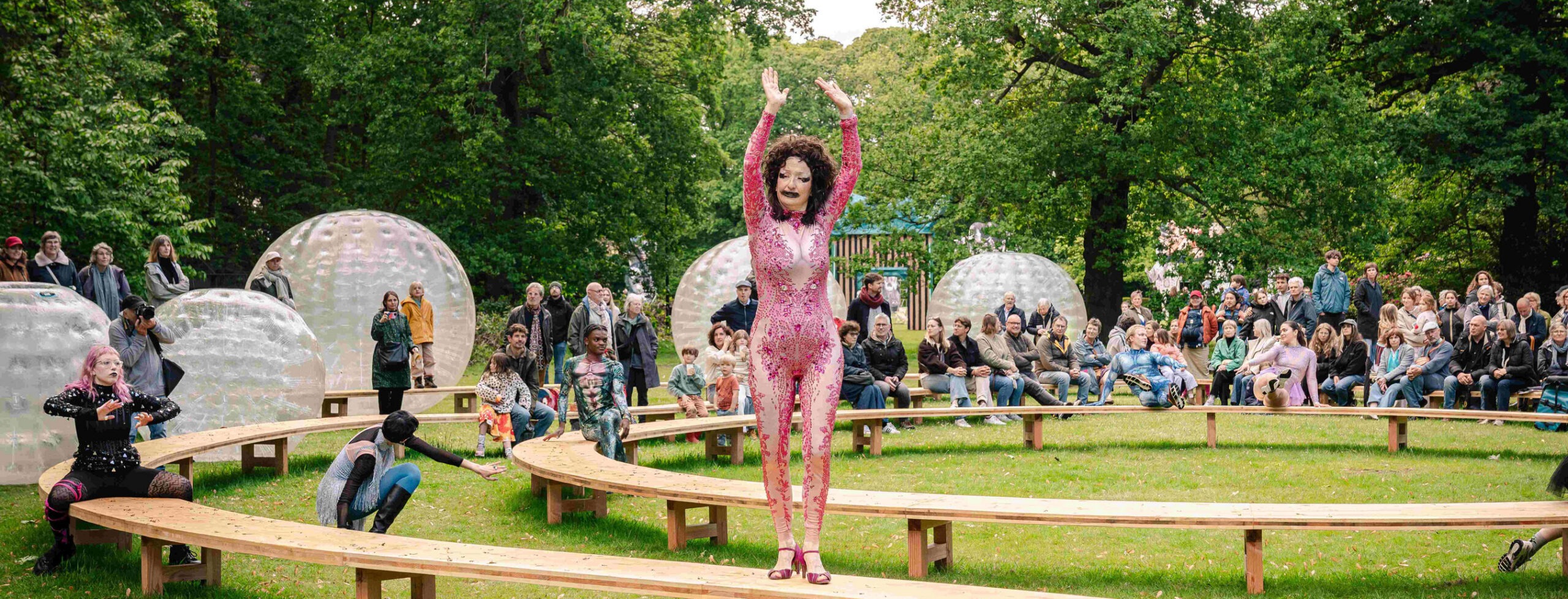
Tori Wränes, whose latest works feature in the Nordic pavilion at this year’s Venice Biennale, has a wonderful knack for communicating things difficult to express in words.

Seductive Mechanisms: A Conversation with Pablo Pérez Torres
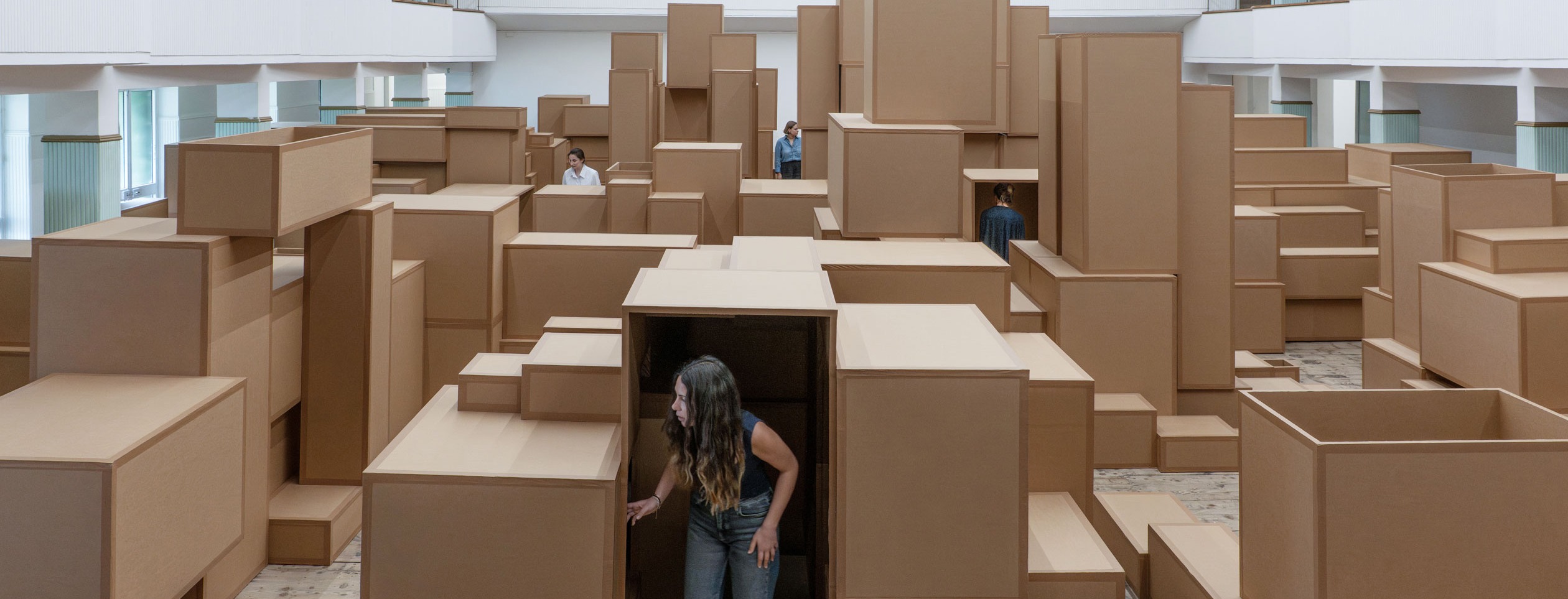
Pablo Pérez Torres, who lives and works in La Plata, Buenos Aires, uses his sculptures and installations as vehicles to explore alternate realities, questioning human relationships as well as our connection to objects and technology.

Passing Things On: A Conversation with Béatrice Balcou
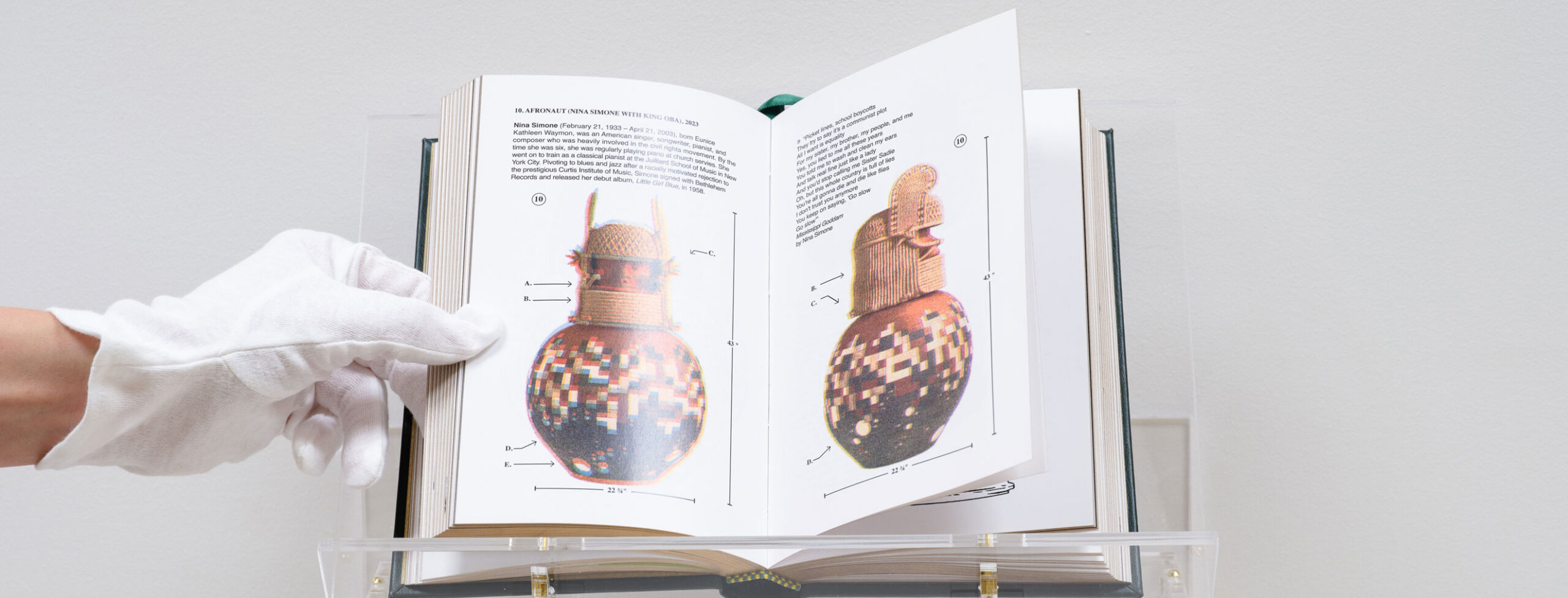
For the past 15 years, Brussels-based French artist Béatrice Balcou has been immersing herself in art collections and studying art-handling protocols as a means of producing meticulously crafted performances and objects that focus on a single work by another artist.

Pensamiento Híbrido: Una Conversación con Daiana Ares
Daiana Ares es artista visual nacida en Buenos Aires, docente egresada del Profesorado de Artes Visuales Regina Pacis, San Isidro, y con una amplia formación en clínica de obra con artistas destacados—entre ellos Daniel Joglar y Bruno Grupalli—y programas para artistas tales como Proyecto PAC (Gachi Prieto) y Taller Compartido (Crudo Galería, Rosario).


Anish Kapoor
LONDON Hayward Gallery These works, instead of inspiring sublimity, operate in much the same way as Victorian theater: “Gosh, that’s a real horse! Look, that’s an actual train being driven across the stage.” We are in a world of effects, which shades very quickly into melodrama.

Wallace Chan
SHANGHAI Long Museum West Bund Chan’s titanium is remarkable precisely because it seems to deny its industrial history. Instead of aerospace engineering, it evokes flowing water, flowering plants, nervous systems, and celestial bodies.

Marguerite Humeau
NEW YORK White Cube Though its skeletal patterning evokes familiar lifeforms such as deep-water coral and mammalian spines, any fleeting recognition quickly fades away as Stillenary reasserts itself as alien and reticent.


